
Staying Safe during Storms, Outages, Emergencies with Continuous Care
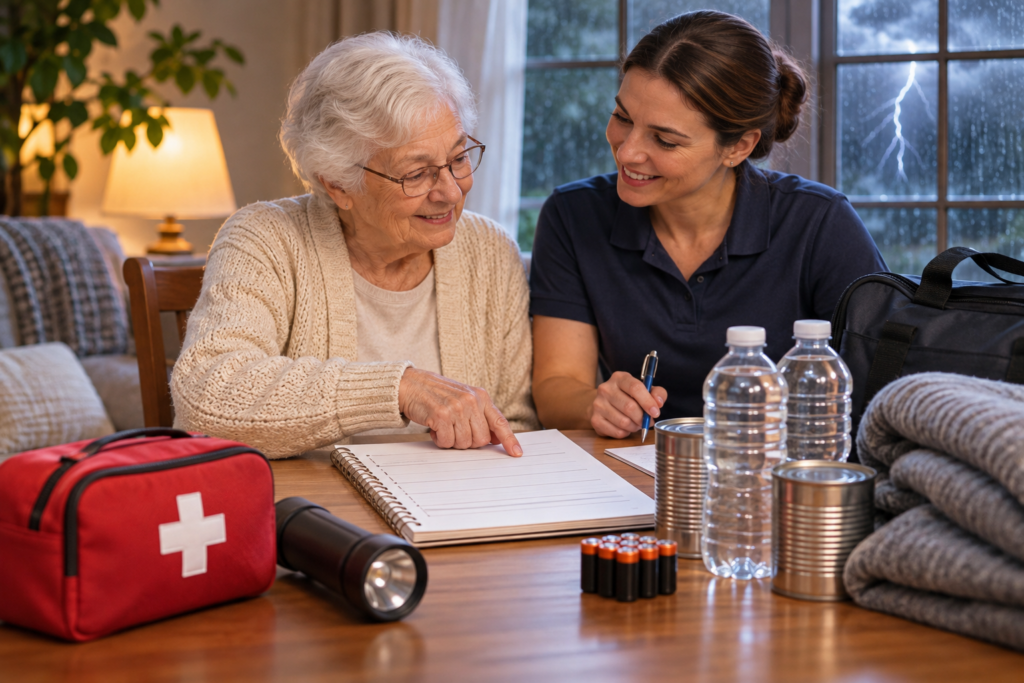
Severe storms, heat waves, winter weather, and power outages can be dangerous for older adults, especially those who need help with daily activities. A senior who lives with mobility challenges, memory loss, or medical equipment may not be able to respond quickly when conditions change. With 24-hour home care, a trained caregiver is present before, during, and after an emergency, helping your parent stay safe and calm at home.
Why Emergencies Are Harder for Seniors
Older adults are more sensitive to extreme heat and cold. Many have health conditions or take medications that affect how the body handles temperature. Power outages can shut off fans, heat, refrigerators, and medical devices. Icy walkways and dark rooms raise the risk of falls. For someone living with dementia, sudden changes in routine or loud storms can cause fear and confusion.
Having a caregiver present means someone can respond right away instead of waiting for help to arrive.
Building Emergency Plans Together
The best time to prepare is before an emergency happens. Work with your parent and their care team to create a written plan that includes:
- Emergency contacts for family, doctors, and neighbors
- A current list of medications, allergies, and health conditions
- Instructions for any medical equipment and backup power needs
- Where flashlights, batteries, and first aid supplies are kept
- How to shut off water, gas, or electricity if needed
- A plan for where to go if your parent must leave home
Keep copies in an easy-to-find spot, and make sure every caregiver knows where it is.
Planning for Evacuation
Sometimes staying home is not safe, such as during flooding or a long outage in extreme weather. Decide ahead of time where your parent would go, whether that’s a family member’s home or another safe location, and how they would get there. Pack a go-bag with clothing, medications in original containers, glasses, hearing aids, chargers, important documents, and comfort items like a favorite blanket. Caregivers providing 24-hour home care can help your parent get ready quickly, gather essentials, and stay calm during the move. Knowing the plan in advance reduces stress for everyone if leaving home becomes necessary.
Preparing Your Parent’s Home
A few simple steps can make a big difference. Stock several days of water, nonperishable food, and any special dietary items. Keep flashlights and fresh batteries in each room your parent uses. Have extra blankets for winter and battery-powered fans for summer. Make sure smoke and carbon monoxide detectors are working. Caregivers can help keep these supplies organized and check them regularly, replacing expired items and making sure medications are refilled before a storm is forecast.
Staying Safe in Extreme Heat
During heat waves, caregivers help your parent stay cool and hydrated. They offer water throughout the day, encourage light clothing, keep curtains closed during the hottest hours, and watch for signs of heat-related illness such as dizziness, confusion, or unusual fatigue. If concerning symptoms appear, they contact the family and seek medical help as needed.
Staying Warm in Cold Weather
In cold weather, caregivers help your parent dress in layers, keep the home at a safe temperature, and avoid icy steps and walkways. During a winter outage, they can help your parent stay bundled in a warm room and use safe heat sources. They also make sure space heaters are used safely and kept away from bedding and curtains.
Managing Power Outages
When the power goes out, caregivers can bring out flashlights, keep your parent in a safe, familiar room, and help prevent falls in the dark. They can follow the plan for any equipment that relies on electricity and contact family or emergency services if backup power is needed. Calm guidance helps your parent feel secure even when the house is dark.
Keeping Calm during Storms
Thunder, wind, and alarms can be frightening, especially for seniors with memory loss. Caregivers offer reassurance, keep routines as normal as possible, play soothing music, and stay close until the storm passes. A steady, familiar presence can make the difference between panic and calm.
Keeping Family Informed
During an emergency, families want to know their parent is safe. Caregivers can send updates by phone or text, let you know how your parent is doing, and alert you if plans need to change. That communication helps families stay connected even if roads are closed or phone lines are busy.
After Emergencies Pass
Once the danger has passed, caregivers help restore normal routines, check food safety after outages, and watch for any changes in your parent’s health or mood. They can also note what worked well and what supplies need replacing for next time.
Preparing before Storm Season
Emergencies are unpredictable, but preparation is not. Talk with your parent’s care team about emergency planning before the next season of storms or extreme weather. With 24-hour home care and a clear plan, your parent can stay safe, comfortable, and supported at home, no matter what the weather brings.
If you or an aging loved one is considering 24 Hour Home Care Services in the Overland Park, KS area, please contact the caring staff at Elder Care of Kansas City today.
Proudly serving Jackson, Clay, Platte, and Cass Counties in Missouri, as well as Johnson and Wyandotte Counties in Kansas for over 30 years.

Prior to purchasing Elder Care, Kevin spent over 20 years in the health insurance industry.In his most recent position, he was in a financial operations role with Humana where he worked with doctors, nurses and other health professionals developing programs to keep Humana members healthy.Their focus on primary care and medication adherence improved the lives of thousands of seniors in Kansas City and the surrounding area.
Kevin and his wife, Lori, have three children.Kevin has Bachelor’s and Master’s degrees from the University of Missouri.
- Staying Safe during Storms, Outages, Emergencies with Continuous Care - November 18, 2026
- Celebrating National Care at Home Month: Honoring the Caregivers Who Make a Difference - November 5, 2026
- Why Changing Bedtime Personal Care Routines Can Be Hard for Older Adults - October 21, 2026